Desire a bright, dynamic way to engage your target audience, inform customers of new sales, or entice new visitors with updatable messaging? LED sign panels by Denver Signs & Graphics will attract more potential customers and clients to your doors!
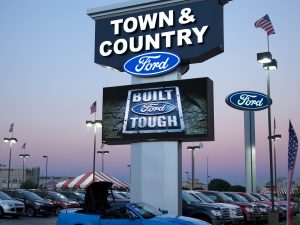
LED panels can be fitted into many different sign types, allowing you to easily update your messaging at any time. Suitable for indoor and outdoor use, Denver Signs & Graphics offers a variety of options regarding durability and display type, from limited color palettes and basic designs for gas station pricing to full-color digital displays for lobbies or restaurants.
As your Denver full-service sign company, we handle every aspect of your LED sign panel project, including sign design, custom fabrication, and expert installation. When you need affordable digital signage solutions, crafted for your unique brand personality, we deliver the custom solutions you want, within your timeframe and budget.
Call Denver Signs & Graphics today at (720) 664-8954 for your Free Consultation!
Dynamic, Attractive Digital Signs
 Digital signs are a dynamic way for any business to promote their brand, products, and services or inform the general public of special or seasonal events, sales, and promotions.
With LED menu boards, restaurants are able to streamline and enhance their point-of-purchase marketing, increase the average order, and improve customer experience.
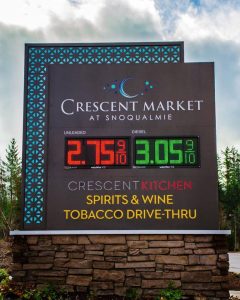
Digital message centers and LED displays provide gas stations the ability to easily update gas, tobacco, or convenience item prices to increase customer foot traffic, and promote sales, and improve their bottom line.
Even pharmacies and retailers can enjoy the benefits these eye-catching displays provide. As the temperatures and seasons change, LED displays promote the products your customers need, especially during cold and flu seasons!
There are many ways LED signs can assist businesses with their marketing goals, and we can help determine the right use for your business. At Denver Signs & Graphics, we create custom led sign panels that attract, retain, and convert more customers so you can continue growing your business.
Outdoor Digital Displays
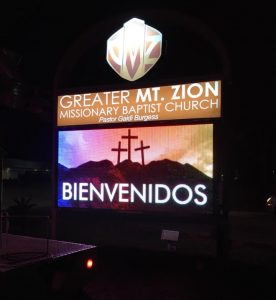 Denver Signs & Graphics provides durable, attractive LED sign panels that are ideal for informing your potential customers of the unique products and services you provide. Even in adverse conditions, illuminated LED signs fight through the fog to ensure your message is clearly seen and understood.
LED panels can be added to many different outdoor sign types, including pole signs, pylon signs, monument signs, post & panel signs, even affixed directly to your storefront. Whether you want to attract customers from a major interstate or gain attention in a packed shopping center, Denver Signs & Graphics will craft the perfect digital messaging solution and LED signage to support your business and marketing message visibility.
Our talented signage experts consider your ideas, goals, and budget, as well as your physical location, competition, and your target audience when recommending the perfect solution for you.
Indoor LED Panels
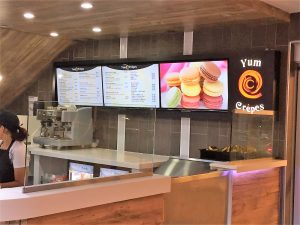
Indoor digital displays allow you to provide a fun, interactive environment for your customers and guests. Stream media, video, or display digital images or information on your custom LED sign panels to provide customers and guests with any information they may need. Public spaces, restaurants, museums, retail stores, transportation facilities, stadiums, hotels, and even corporate buildings can benefit from effective digital signage.
Let our knowledgeable signage experts show you how digital displays can inform your customers of new products and services, assist with navigation, and create an engaging, dynamic environment that reflects the professionalism of your business while improving the customer experience.
We do all of our work right here at our state-of-the-art Denver, CO sign shop. By utilizing environmentally-friendly, sustainable materials and efficient manufacturing techniques, Denver Signs & Graphics saves you time and money on your signage project.
Free LED Panels Consultation
Denver Signs & Graphics understands that the future of signage is digital. With the ability to instantly update your signage with new pricing, promotions, or information, LED panels and digital signage provide functional, attractive, and long-term signage solutions that work for all business types. With everything from full-color LED displays to single line panels, Denver Signs & Graphics assists with every aspect of your Denver digital signage, from design to production, installation, and beyond.
Call Denver Signs & Graphics today at (720) 664-8954 for your Free Consultation with a Digital LED Sign Expert!
